Category: HS code

  • How to Find the Right Tariff Number for Your Imports and Exports

    How to Find the Right Tariff Number for Your Imports and Exports

    When dealing with international trade, one of the crucial steps is identifying the correct tariff number for your imports and exports. The tariff number, also known as a Harmonized System (HS) code or customs code, plays a vital role in determining the duties, taxes, and regulations that apply to your goods. Getting this classification right is essential to avoid delays at customs, unnecessary costs, or even legal problems. This article provides a detailed guide on how to find the right tariff number for your shipments, ensuring smooth cross-border trade operations.

    What Is a Tariff Number?

    A tariff number is a standardized numerical code used internationally to classify traded products. It is part of the Harmonized Commodity Description and Coding System (HS), developed by the World Customs Organization (WCO). This system harmonizes the nomenclature of goods, making tariff numbers recognized across most countries.

    Each tariff number corresponds to a specific product category and its subcategories, effectively describing the item in detail. For example, fresh apples and processed apple products have different tariff numbers because they are classified differently under customs regulations.

    Using the right tariff number is fundamental because:

    • It dictates the customs duty rate applicable to the product.
    • It affects import quotas, licensing requirements, and trade statistics.
    • It facilitates compliance with international trade agreements.

    Why Finding the Correct Tariff Number Is Important

    Using an incorrect tariff number can lead to serious problems. Customs authorities may seize goods, impose fines, or require additional documentation. Moreover, underestimated tariffs due to incorrect classification can cause costly penalties.

    Accurate coding speeds up the customs clearance process and ensures:

    • Proper calculation of taxes and duties.
    • Compliance with trade laws.
    • Eligibility for trade preferences and agreements.

    Therefore, exporters and importers should invest time and resources to find the most precise tariff numbers for their products.

    How to Find the Right Tariff Number

    Finding the correct tariff number involves several steps. Here’s a practical process you can follow:

    1. Understand Your Product Thoroughly

    Before searching for a tariff number, gather detailed information about your product:

    • Material composition
    • Product use and function
    • Manufacturing process
    • Packaging

    The more precise your product description is, the more accurately you can classify it.

    2. Use Official Harmonized System Resources

    Most governments provide access to tariff schedules or customs tariff databases based on the HS system. These databases often include explanations and product descriptions that help with classification.

    For instance, the United States International Trade Commission (USITC) and the European Commission offer online portals where traders can search tariff numbers.

    3. Leverage Advanced Classification Tools

    Manual searching can be complex, especially for businesses dealing with multiple products. Advanced tools like Classifast.com provide an instant classifier and category search service for a wide range of international classification standards such as UNSPSC, NAICS, ISIC, ETIM, CN, and HS codes.

    Classifast allows users to input any text description of their product and quickly obtain accurate tariff numbers relevant to their goods. This technology transforms lengthy manual processes into instant, reliable results — a significant benefit for importers and exporters aiming to optimize their supply chain compliance.

     Close-up of computer screen showing HS tariff classification system, cargo ships docked at sunset port

    4. Consult with Customs Brokers or Trade Experts

    If complexity remains after using resources and tools, professional advice is invaluable. Customs brokers, freight forwarders, and trade consultants have extensive experience to classify products correctly under customs systems.

    5. Review Customs Rulings

    Several customs authorities publish binding rulings. These are prior decisions on tariff classifications that can be searched online to find similarities with your products, providing guidance on the correct tariff number.

    Tips for Accurate Tariff Classification

    To ensure correctness and avoid errors, consider the following tips:

    • Always use official product names and avoid ambiguous terms.
    • Regularly check updates to the HS codes as they are revised periodically by the WCO.
    • Classify products based on their essential character if they have multiple components.
    • Keep documentation supporting your classification choices.
    • Use classification tools like Classifast to verify and double-check your codes.

    Common Challenges in Finding the Tariff Number

    • Product Variability: Different variations of a product may require separate tariff numbers.
    • Complex Products: Items combining several materials or components can be tricky to classify.
    • Changes Over Time: Updates in tariff schedules may affect previously assigned numbers.
    • Country Differences: While HS codes are standardized at the international level, some countries add further digits for national subdivision, requiring precise local knowledge.

    Example: Classifying a Handmade Leather Bag

    Suppose you import handmade leather bags. The classification depends on factors including the material (leather), use (carrying personal items), and craftsmanship (handmade). You may start by searching for “leather bags” in an HS database or use Classifast to get the correct tariff number and related codes instantly.

    FAQ: Tariff Number for Imports and Exports

    Q1: What is the difference between a tariff number and an HS code?
    A1: The terms are often used interchangeably. The tariff number usually refers to the Harmonized System (HS) code, a globally recognized numbering system for classifying traded goods.

    Q2: How can I find the tariff number for a manufactured electronic device?
    A2: Start by describing the product in detail and searching official HS or customs databases. Alternatively, use instant classification services like Classifast.com, which provide quick, accurate codes based on product descriptions.

    Q3: Are tariff numbers the same across all countries?
    A3: The international 6-digit HS codes are standard worldwide, but individual countries may add extra digits to suit national requirements for imports and exports.

    Authoritative Source

    The World Customs Organization maintains the Harmonized System and provides official documentation and updates on tariff classifications (source: WCO HS Nomenclature).

    Conclusion: Don’t Leave Your Tariff Number to Chance

    Finding the right tariff number is an essential aspect of international trade that affects compliance, costs, and operational efficiency. By understanding your product details, using official databases, and leveraging smart solutions like Classifast.com, you can secure accurate classification quickly and confidently. Avoid costly errors and delays by investing the effort upfront — your customs clearance process and business profitability depend on it.

    Ready to simplify your tariff classification process? Visit Classifast.com today and experience instant, reliable tariff number identification tailored to your import and export needs. Streamline your trade operations and keep your shipments moving smoothly across borders!
  • Complete Guide to the HS Code List for Easy Customs Clearance

    Complete Guide to the HS Code List for Easy Customs Clearance

    When engaging in international trade, understanding the HS code list is crucial for smooth and efficient customs clearance. The Harmonized System (HS) codes are standardized numerical codes used worldwide to classify traded products. Accurate use of these codes can significantly reduce delays, avoid penalties, and ensure compliance with customs regulations. In this guide, we will explore what the HS code list is, its importance, how to find the right codes, and tips for hassle-free customs clearance.

    What Is the HS Code List?

    The HS code list is a globally recognized system developed by the World Customs Organization (WCO) to categorize goods in international trade. Each HS code typically consists of six digits: the first two digits identify the chapter, the next two the heading, and the last two the subheading. Countries may add additional digits for further classification, depending on national requirements. This system ensures consistent classification and helps customs authorities assess duties, taxes, and regulations efficiently.

    Why Is the HS Code List Important?

    Using the correct HS codes on shipping documents is essential for multiple reasons:

    • Customs compliance: Incorrect or missing HS codes can cause customs delays or seizures.
    • Accurate duty and tax assessment: Customs officials calculate import tariffs based on HS codes.
    • Trade statistics and policy-making: Governments use HS codes to monitor trade flows.
    • Facilitation of trade agreements: Many free trade agreements reference HS codes to determine tariff concessions.

    Therefore, mastering the HS code list benefits exporters and importers by ensuring smoother logistics and compliance.

    How to Find the Right HS Code for Your Product

    Identifying the correct HS code can sometimes be challenging due to the complexity of the system. Here are some practical steps to help you:

    1. Understand your product thoroughly: Know the composition, use, and technical details.
    2. Consult the official HS code list: Check your country’s customs or trade authority website, as they often provide searchable databases.
    3. Use classification tools like Classifast.com: Classifast offers instant classification and category search for HS codes and other classification standards based on your product description. It’s a fast and accurate way to identify the proper codes without manual searching.
    4. Seek expert advice if needed: Customs brokers or trade consultants can assist with complicated cases.
    5. Cross-reference with international standards: Use other classification codes such as UNSPSC or NAICS to complement your findings.

    Tips for Easy Customs Clearance Using the HS Code List

    Applying the right HS codes is only one piece of the puzzle. To ensure easy customs clearance, consider the following tips:

    • Be accurate and consistent: Use the same HS code on all customs documentation, including commercial invoices, packing lists, and shipping bills.
    • Stay updated: HS codes are revised every five years. Regularly check for updates to avoid using obsolete codes.
    • Include detailed product descriptions: Accompany HS codes with clear and precise product descriptions for customs officers.
    • Work with reliable freight forwarders and customs brokers: Their experience can help avoid common mistakes.
    • Keep documentation organized and accessible: This speeds up verification processes and audits.

    Understanding HS Code Structure with an Example

    To clarify, here’s how an HS code is structured:

    HS Code Digits Meaning Example
    01 Chapter: Live animals 01: Live animals
    0102 Heading: Live bovine animals 0102
    010221 Subheading: Live bovine animals less than 185 kg 010221

    This hierarchy helps customs officers classify goods accurately.

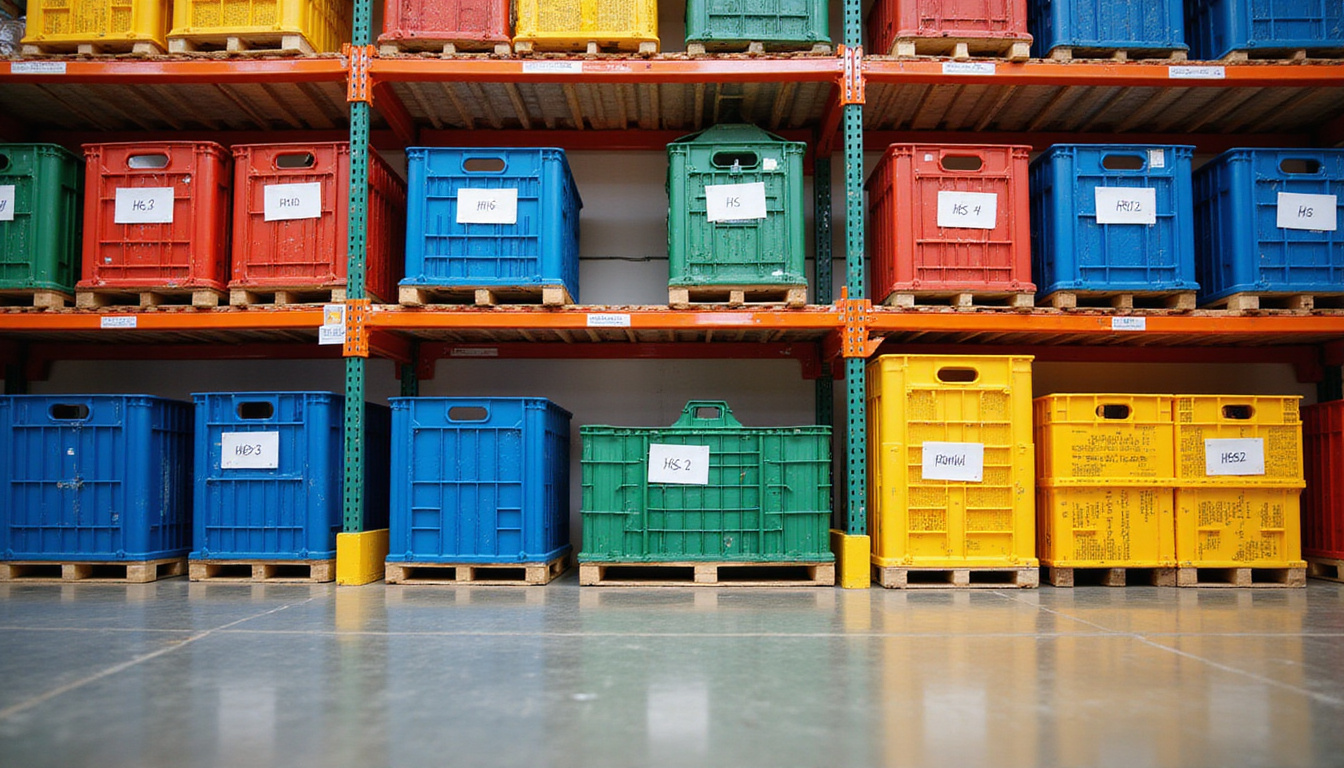
     colorful warehouse with labeled crates matching HS codes for efficient shipping

    Advantages of Using Online Classification Tools Like Classifast.com

    Manually searching the HS code list can be time-consuming and prone to error. Tools like Classifast.com simplify this process by providing:

    • Instant classification based on simple text descriptions.
    • Access to multiple classification standards including UNSPSC, NAICS, ISIC, ETIM, CN, and HS.
    • Fast and accurate code searching that helps ensure compliance.
    • Reduction of human error in assigning codes.

    For businesses and individuals dealing with frequent shipments, leveraging such technology is invaluable for maintaining accuracy and speed.

    FAQ: HS Code List and Customs Clearance

    1. What is the difference between an HS code and a tariff code?
    The HS code is the internationally standardized system for product classification, consisting of at least six digits. A tariff code often extends the HS code with additional digits for national customs purposes to specify tariffs and trade regulations.

    2. Can I use an old HS code from previous shipments?
    It’s important to verify HS codes regularly because the World Customs Organization updates the system every five years. Using outdated codes can lead to customs penalties and shipment delays.

    3. Where can I look up the HS code list for my country?
    Most countries’ customs or trade agencies provide official searchable databases of HS codes. Additionally, websites like Classifast.com offer quick classification tools to find accurate codes using product descriptions.

    Authoritative Source Verification

    The World Customs Organization (WCO) maintains and updates the global HS code list and offers training resources on proper classification and compliance. For accurate, authoritative information on HS codes, you can visit the official WCO website at WCO.int.

    Conclusion: Streamline Your International Trade with the HS Code List

    Mastering the HS code list is fundamental for successful and smooth international trade. Accurate product classification speeds up customs clearance, decreases compliance risks, and optimizes costs. Using trusted online tools such as Classifast.com can dramatically simplify the classification process, ensuring you always apply the correct codes according to international standards.

    Don’t let incorrect HS codes delay your shipments. Take advantage of advanced classification services, stay informed about updates, and partner with experienced customs agents to make customs clearance effortless.

    Get started today by visiting Classifast.com and instantly discover the HS codes tailored for your products—ensuring faster customs clearance and smoother global trade operations!

  • How to Choose the Right Tariff Heading for Your Business Success

    How to Choose the Right Tariff Heading for Your Business Success

    Choosing the right tariff heading is a crucial step for businesses involved in importing or exporting goods. The tariff heading determines the classification of goods under the Harmonized System (HS), affecting duties, taxes, and compliance requirements. Selecting an incorrect tariff heading can lead to costly delays, increased taxes, or legal complications. This article will guide you through the essential considerations for choosing the right tariff heading to ensure smooth customs clearance and business success.

    Understanding What a Tariff Heading Is

    A tariff heading is the specific code assigned to a product under the international Harmonized System (HS) nomenclature. This system standardizes the classification of goods worldwide to facilitate international trade. Each tariff heading typically consists of six digits, which can be extended to 8 or 10 digits depending on the country’s specific classification. The tariff heading determines the duty rate, import restrictions, and statistical reporting for the product.

    For example, if you export electronic devices, the tariff heading helps customs authorities identify your product and apply the appropriate tariff or tax.

    Importance of Choosing the Right Tariff Heading

    Selecting the correct tariff heading is vital because:

    • Accurate Duties and Taxes: It ensures you pay the appropriate import duties and taxes, avoiding overpayment or penalties.
    • Regulatory Compliance: Helps comply with customs regulations to prevent shipment delays or seizure.
    • Trade Facilitation: Expedites customs clearance by providing precise product descriptions.
    • Market Insight: Assists in tracking and analyzing trade statistics for better business decisions.
    • Avoidance of Legal Issues: Prevents fines and sanctions arising from misclassification.

    Misclassifying goods by using an incorrect tariff heading can lead to audits, fines, or even legal action, which can harm your business reputation and finances.

    How to Identify the Correct Tariff Heading

    Finding the right tariff heading may seem complex, but it can be streamlined with the following steps:

    1. Understand Your Product in Detail

    Start by thoroughly describing your product, including materials, functions, and components. The more detailed you are, the easier it is to classify.

    2. Use Official Tariff Databases and Resources

    Check your country’s customs or trade authority portal for official HS codes and tariff heading descriptions. Many governments provide searchable tariff databases.

    3. Utilize Classification Tools like Classifast.com

    Services such as Classifast.com offer instant classification and category search for international standards like UNSPSC, NAICS, ISIC, ETIM, CN, and HS codes. By inputting your product description, you can quickly obtain the accurate tariff heading, reducing classification errors.

     close-up of shipping containers labeled with tariff codes in a busy port yard

    4. Reference the World Customs Organization (WCO) Guide

    The WCO provides an explanatory note on the Harmonized System Convention, offering guidance on classification principles (source).

    5. Consult with Customs Experts or Brokers

    For complex products, professional advice ensures compliance and accuracy when selecting tariff headings.

    Key Considerations When Selecting a Tariff Heading

    When determining the tariff heading, keep these factors in mind:

    • Material Composition: The primary material of the product often influences classification.
    • Intended Use: How the product is used can impact its classification under certain headings.
    • Manufacturing Process: Sometimes, how a product is made affects the tariff heading.
    • Product Description: Match the product’s specifications with the nearest heading description.
    • Country-Specific Extensions: Some countries add extra digits for more detailed classification; understanding these is important for precise categorization.

    Example: Choosing a Tariff Heading for a Smartphone

    Imagine importing smartphones. You would start with the general category “electronic devices.” Then, check the detailed HS code description for mobile phones, which might be under heading 8517.12.00 (in the Harmonized System). Verify with your country’s customs database if additional digits apply, and confirm compliance with import regulations specific to electronic goods.

    Step-by-Step Guide: How to Choose the Right Tariff Heading

    1. Gather Product Information: Specifications, composition, use, and function.
    2. Search the HS Tariff List: Use official government or WCO resources.
    3. Use Online Tools: Input description in a tool like Classifast.com for quick, accurate classification.
    4. Compare Possible Headings: Review options and check duty rates.
    5. Consult an Expert: Confirm classification if unsure.
    6. Document Your Decision: Keep records for customs and audit purposes.

    Benefits of Using Classification Tools Such as Classifast.com

    • Speed: Instant classification saves hours researching.
    • Accuracy: Reduces risk of human error.
    • Versatility: Supports multiple international standards beyond HS codes.
    • User-Friendly: Simple text input converts to exact classification codes.
    • Resource for Business: Helps track market trends and comply with cross-border trade rules.

    FAQ: Tariff Heading Selection Questions

    Q1: What is the difference between a tariff heading and a tariff subheading?
    A tariff heading refers to a broad classification code (usually six digits), while a tariff subheading is more detailed (usually 8 to 10 digits) to specify finer product distinctions.

    Q2: Can choosing the wrong tariff heading affect my business?
    Yes. Incorrect classification can result in overpaying duties, shipment delays, or legal penalties, impacting your bottom line and reputation.

    Q3: How do online tools help in tariff heading classification?
    Online tools like Classifast.com use text descriptions to quickly generate accurate tariff headings based on international standards, simplifying the classification process.

    Conclusion: Make the Right Tariff Heading Choice for Business Success

    Selecting the correct tariff heading is a foundational element of successful international trade. With accurate classification, your business avoids unnecessary costs, expedites customs clearance, and stays compliant with regulations. Using powerful tools like Classifast.com, alongside official governmental resources and expert advice, makes this process efficient and reliable.

    Don’t leave your import-export operations to chance. Start by clarifying your product descriptions, utilize advanced classification tools, and choose the tariff heading that best fits your goods. This proactive approach will protect your business, improve operational efficiency, and ultimately contribute to your growth in global markets.

    For a fast, reliable classification experience that integrates multiple international standards, try Classifast.com today and secure the right tariff heading for your business success!

  • Harmonized Tariff Schedule: Essential Guide for Importers and Exporters

    Harmonized Tariff Schedule: Essential Guide for Importers and Exporters

    For businesses involved in international trade, understanding the harmonized tariff schedule (HTS) is crucial. Whether you are an importer or exporter, the harmonized tariff schedule helps classify products and determine the tariffs and duties applicable to your shipments. This guide will walk you through the essentials of the harmonized tariff schedule, its significance in global trade, and how to use it effectively.

    What is the Harmonized Tariff Schedule?

    The harmonized tariff schedule is a globally standardized system used to classify traded goods. It is based on the Harmonized Commodity Description and Coding System (HS), developed and maintained by the World Customs Organization (WCO). The HTS assigns numerical codes to products, which customs authorities use to assess duties and gather trade statistics.

    The schedule organizes products into chapters and headings corresponding to categories such as agricultural goods, machinery, chemicals, textiles, and more. Each product’s classification affects the tariff rates imposed upon import or export, making accuracy vital for compliance and cost management.

    Importance of the Harmonized Tariff Schedule for Importers and Exporters

    The harmonized tariff schedule impacts your international business operations in several ways:

    • Determines duty rates: Correct classification ensures you pay the appropriate tariffs, preventing overpayment or penalties.
    • Regulatory compliance: Many countries require HTS codes on customs declarations to enforce trade policies, quota limits, or embargoes.
    • Facilitates trade agreements: Certain HTS codes benefit from preferential tariff rates under trade agreements like USMCA or the EU Customs Union.
    • Streamlines logistics: Proper classification speeds up customs clearance, reducing delays and storage costs.
    • Enables accurate reporting: Helps government bodies track trade flows and statistics.

    Without an in-depth understanding of the harmonized tariff schedule, importers and exporters risk costly misclassifications and trade disruptions.

    How to Find the Correct Harmonized Tariff Schedule Code

    Finding the right HTS code for your product can initially seem daunting due to the detailed and technical nature of the schedule. Here are steps to guide you:

    1. Describe your product clearly: Identify the material composition, use, function, and physical characteristics.
    2. Consult official HTS publications: The U.S. International Trade Commission (USITC) publishes the Harmonized Tariff Schedule of the United States, and other countries issue their versions.
    3. Use classification tools: Online resources like Classifast offer instant classification and code search for HTS, UNSPSC, NAICS, and more by simply inputting your product description.
    4. Cross-reference with tariff notes and legal texts: Pay attention to additional rules and exemptions applicable to specific codes.
    5. Seek expert advice if uncertain: Trade compliance consultants or customs brokers can provide authoritative classification.

    By leveraging modern tools such as Classifast, importers and exporters can quickly and accurately determine HTS codes, avoiding errors that could result in penalties or shipment delays.

    Key Components of the Harmonized Tariff Schedule

    The harmonized tariff schedule is structured to provide detailed information through:

    • Chapters: Broad categories like live animals, foodstuffs, machinery, textiles.
    • Headings: Further detail subdividing chapters by specific product types.
    • Subheadings: Narrow classification to denote particular product variants or materials.
    • Tariff rates: The duty percentage or amount applied upon import/export.
    • Additional notes: Explanatory or restrictive rules impacting classification or duty.

    For example, a shipment of cotton T-shirts would be classified under a textile chapter, with specific headings and subheadings identifying the product as cotton knitwear. The duty rates and any applicable trade agreement benefits would be listed alongside.

     Businesspeople analyzing harmonized tariff charts with global trade maps in bright office

    Practical Tips for Using the Harmonized Tariff Schedule

    Importers and exporters can optimize their use of the HTS by following these tips:

    • Always use the latest version of the schedule, as tariff codes and rates may change annually.
    • Maintain detailed product specifications to support your classification.
    • Utilize online classification tools like Classifast to speed up code identification.
    • Monitor changes in trade policies and tariffs that may affect classification or duty rates.
    • Document your classification process thoroughly for auditing and compliance purposes.

    Benefits of Using Classifast for Harmonized Tariff Schedule Classification

    Classifast is a powerful tool designed to simplify the classification of any text description according to international standards, including HTS codes. By inputting your product description, Classifast instantly suggests the most accurate codes, helping reduce errors and manual research time.

    Advantages of using Classifast include:

    • Rapid and reliable classification for HS, HTS, NAICS, UNSPSC, ISIC, ETIM, and more.
    • Access to multiple international classification standards for global trade compliance.
    • User-friendly interface suitable for businesses of all sizes.
    • Helps ensure regulatory adherence and proper tariff application.

    For importers and exporters who handle diverse products or require quick classification support, Classifast offers a comprehensive solution that enhances operational efficiency.

    Common Challenges with Harmonized Tariff Schedule and How to Overcome Them

    Even with resources available, businesses may face challenges such as:

    • Complex product descriptions: Products with multiple components may fall under several classifications.
    • Frequent changes: International tariff schedules may update annually or due to trade negotiations.
    • Different country adaptations: While based on the HS system, countries can apply their own tariff variations.

    To overcome these hurdles:

    • Keep up to date with the latest tariff schedule revisions.
    • Use reliable classification services like Classifast to cross-check code accuracy.
    • Consult customs experts for ambiguous or complex products.
    • Leverage classifications from similar shipments as references.

    FAQ: Harmonized Tariff Schedule for International Trade

    Q1: How do I find the harmonized tariff schedule code for my product?
    A1: Start by describing your product in detail and use official customs publications or online classification tools like Classifast to quickly search for HTS codes. Consulting a customs broker may help with complex products.

    Q2: Can the harmonized tariff schedule codes change over time?
    A2: Yes, the HTS is periodically updated to reflect new products or trade policies. Staying informed about updates from official sources or trusted platforms ensures compliance.

    Q3: Is the harmonized tariff schedule the same worldwide?
    A3: The HTS is based on the universally adopted HS system, but countries may have variations in specific tariff rates or additional subdivisions. Always use the country’s official schedule relevant to your trade.

    Conclusion: Mastering the Harmonized Tariff Schedule to Boost Your Trade Success

    The harmonized tariff schedule is a cornerstone of international trade, allowing importers and exporters to classify goods correctly, ensure compliance, and optimize tariff costs. By understanding its structure, leveraging reliable tools like Classifast, and staying current with updates, businesses can minimize risks and expedite customs clearance.

    Start mastering the harmonized tariff schedule today with practical resources and expert support. Visit Classifast for instant and accurate classification of your products—simplify your trade operations and unlock global market opportunities with confidence.


    For more detailed insights on international trade classifications, consult the World Customs Organization website.

  • International Trade Code: Essential Guide for Global Business Success

    International Trade Code: Essential Guide for Global Business Success

    In today’s globalized economy, understanding and utilizing the international trade code is crucial for any business aiming to succeed in cross-border commerce. Whether you’re an exporter, importer, or a trade compliance professional, knowing how to classify goods correctly under the appropriate international trade codes can streamline customs procedures, reduce delays, and ensure regulatory compliance. This guide explores everything you need to know about international trade codes, including their significance, types, and how to leverage tools like Classifast.com for accurate classification.

    What is an International Trade Code?

    An international trade code is a standardized system used to classify goods and services in global trade. These codes are essential for customs authorities worldwide to assess taxes, enforce trade regulations, and gather statistical data about imports and exports. By assigning a universally recognized code to each product, international trade codes facilitate smooth processing at borders and help businesses comply with international trade laws.

    Some of the most common international trade codes include:

    • Harmonized System (HS) Codes: Developed by the World Customs Organization, HS codes are a six-digit numerical classification system covering virtually all products traded internationally.
    • UNSPSC Codes: The United Nations Standard Products and Services Code categorizes products and services by segments, families, classes, and commodities.
    • NAICS Codes: The North American Industry Classification System categorizes business establishments by industry.
    • ISIC Codes: The International Standard Industrial Classification categorizes economic activities.

    Why International Trade Codes Are Critical for Businesses

    Using the correct international trade code can make or break your global business operations. Here’s why:

    • Customs Clearance Efficiency: Accurate codes help customs authorities quickly identify goods, reducing the risk of shipment delays or inspections.
    • Duty and Tax Calculation: Customs duties and taxes are frequently calculated based on product classification.
    • Regulatory Compliance: Certain goods might be subject to import restrictions, quotas, or licensing requirements depending on their classification.
    • Trade Statistics and Market Research: Governments and organizations use trade codes to analyze market trends and trade flows.
    • Risk Mitigation: Misclassification can lead to penalties, fines, and shipment seizures.

    Popular International Trade Code Systems and Their Uses

    Harmonized System (HS) Codes

    HS codes are internationally recognized and required for almost all cross-border shipments. They consist of 6 digits broken into chapters and headings, with some countries adding further digits for more precise classification. HS codes cover everything from raw materials to finished products.

    United Nations Standard Products and Services Code (UNSPSC)

    UNSPSC codes help classify products in a more detailed manner across various industries. These eight-digit codes categorize products and services with an emphasis on procurement and supply chain activities.

    North American Industry Classification System (NAICS)

    Primarily used in the United States, Canada, and Mexico, NAICS codes classify businesses by their industry type rather than individual products. This code aids in economic analyses and regulatory reporting.

    International Standard Industrial Classification (ISIC)

    ISIC provides a global standard for classifying economic activities, useful for broad statistical reporting and analysis of industry trends.

    How to Classify Products Using International Trade Codes

    Correct product classification requires a thorough understanding of the product’s nature and the guidelines set by classification authorities. Here’s a step-by-step approach:

    1. Gather Product Information: Identify the material composition, usage, and manufacturing details.
    2. Use Descriptive Terminology: Clear and specific product descriptions help avoid ambiguity.
    3. Consult Official Classification Guides: Refer to tariff schedules and customs rulings.
    4. Leverage Online Classification Tools: Platforms like Classifast.com provide instant classification based on text descriptions, supporting codes like UNSPSC, NAICS, ISIC, ETIM, CN, and HS.
    5. Validate Classification: Cross-check with customs brokers or official sources to ensure accuracy.

    How Classifast.com Simplifies International Trade Code Classification

    Classifast.com is an invaluable resource in the world of product classification for international trade. It offers an instant classifier and category search for global classification standards such as UNSPSC, NAICS, ISIC, ETIM, CN, and HS codes. This means businesses can quickly input product descriptions and retrieve the most accurate and relevant classification codes without manual research, saving time and minimizing errors.

    Key benefits of Classifast.com include:

    • Speed: Receive near-instant results for any text input.
    • Accuracy: Trusted classifications aligned with official standards.
    • Wide Range of Standards: Supports multiple classification systems used worldwide.
    • User-Friendly Interface: Makes complex classification accessible to non-experts.

    By integrating such tools into your logistics and compliance workflow, you can improve operational efficiency and better manage regulatory requirements.

     Diverse businesspeople analyzing digital charts and international trade data in modern office environment

    Common Challenges in International Trade Code Classification

    Incorrect or inconsistent classification can occur due to factors such as:

    • Product complexity or multifunctionality.
    • Ambiguous or incomplete product descriptions.
    • Frequent changes or updates in classification systems.
    • Variations in classification rules by country.

    To overcome these, companies should regularly review their classification processes and invest in reliable classification resources.

    Best Practices for International Trade Code Management

    • Maintain Up-to-Date Knowledge: Trade codes and regulations change; subscribe to updates from customs authorities.
    • Train Staff: Ensure employees handling classification understand the standards applicable to your products.
    • Document Classification Decisions: Keep records to support your classifications during audits.
    • Use Digital Tools: Employ services like Classifast.com for fast and reliable coding.
    • Collaborate With Experts: Custom brokers and trade consultants can offer valuable guidance.

    Frequently Asked Questions About International Trade Codes

    Q1: What is the difference between HS codes and UNSPSC codes?
    HS codes are focused on customs and tariffs applied globally to physical goods with a fixed 6-digit structure. UNSPSC codes provide a more detailed hierarchy that includes products and services, primarily used in procurement and supply chain management.

    Q2: How does using Classifast.com help with international trade codes?
    Classifast.com offers quick text-based input classification, allowing users to find accurate codes across major systems like UNSPSC, HS, and NAICS, simplifying the classification process and reducing errors.

    Q3: Why is proper classification using international trade codes important for importers and exporters?
    It ensures compliance with customs laws, prevents shipment delays, accurately calculates duties, and avoids costly penalties or fines.

    Conclusion: Make International Trade Codes Work for Your Business Success

    Mastering the use of the international trade code is no longer optional but a strategic necessity in global trade. From facilitating smoother customs processes to ensuring compliance and gaining valuable insights into market behavior, these codes unlock efficiency and opportunity for your business.

    To simplify this complex task, leverage innovative tools like Classifast.com to instantly classify products with precision and speed. Don’t let classification errors hold you back—take advantage of the best resources available to optimize your international trade operations today!

    For more information on international trade regulations and to find the right classification codes for your products, visit Classifast.com. Empower your global business with accurate classification and a competitive edge in the international marketplace.


    Reference: World Customs Organization – Harmonized System (HS) (https://www.wcoomd.org/en/topics/nomenclature/overview.aspx)

  • Mastering the HTS Code: Essential Guide for Importers and Exporters

    Mastering the HTS Code: Essential Guide for Importers and Exporters

    For importers and exporters navigating the complex world of international trade, understanding the HTS code is paramount. The Harmonized Tariff Schedule (HTS) code is a standardized numerical system used worldwide to classify goods during import and export. Grasping how to effectively master the HTS code can streamline customs processes, reduce errors, and ensure compliance with regulatory agencies.

    In this essential guide, we’ll explore the intricacies of the HTS code, its importance, and how businesses can leverage classification tools such as Classifast.com to gain accuracy and efficiency.

    What is the HTS Code and Why is It Important?

    The HTS code is a global system developed by the World Customs Organization to classify traded products. It is used by countries, including the United States, to assess tariffs, collect statistics, and enforce trade policies.

    Each HTS code consists of 10 digits in the U.S. system:

    • The first six digits represent the international Harmonized System (HS) classification.
    • The remaining four digits provide further detailed classification for U.S.-specific tariffs and regulations.

    Correctly assigning the HTS code to a product is critical because:

    • It determines the applicable duty rates and taxes.
    • It ensures compliance with trade regulations and helps avoid costly penalties.
    • It facilitates clear communication between importers, exporters, customs brokers, and authorities.
    • It allows companies to benchmark trade data and monitor market trends.

    For these reasons, mastering the HTS code system is an essential skill for any business involved in cross-border commerce.

    How to Read and Interpret HTS Codes

    Decoding HTS codes involves understanding their hierarchical structure. The process typically starts from general to specific categories:

    1. Chapter (First 2 Digits)

    The HTS code begins with a two-digit chapter number that groups goods into broad sections. For example, Chapter 84 covers “Nuclear Reactors, Boilers, Machinery and Mechanical Appliances.”

    2. Heading (Next 2 Digits)

    The next two digits further categorize the product within the chapter. For instance, 8407 refers to “Spark-Ignition Internal Combustion Piston Engines.”

    3. Subheading (Next 2 Digits)

    The sixth and seventh digits narrow down the product type more specifically—e.g., 8407.21 identifies “Spark-ignition reciprocating or rotary internal combustion piston engines of a cylinder capacity not exceeding 50 cc.”

    4. U.S.-Specific Detail (Final 4 Digits)

    These digits break down the commodity even further for tariff and regulatory purposes in the U.S.

    Understanding this layered breakdown helps importers and exporters classify products accurately. However, due to the subtleties and frequent updates, manual lookup can be time-consuming and prone to human error.

     Professional businesspeople analyzing customs documents, world map background, import-export concept

    Leveraging Classification Tools: Why Classifast.com is a Game Changer

    To master the HTS code efficiently, many businesses turn to automated classification services like Classifast.com. This platform offers instant classifier and category search for various international classification standards including UNSPSC, NAICS, ISIC, ETIM, HS, and of course HTS codes.

    Benefits of Using Classifast.com

    • Fast and Accurate Classification: Classifast processes your product descriptions or text input instantly, providing accurate HTS codes and other classifications with minimal effort.
    • International Standardization: Whether dealing with HTS or international equivalents, the tool supports multiple global standards ensuring comprehensive coverage.
    • Error Reduction: Automation reduces misclassification risks which can lead to customs delays or penalties.
    • User-Friendly Interface: Even those new to tariff classification can quickly find applicable codes without specialist knowledge.
    • Data Consistency: Ensures uniform classification across departments and trading partners.

    Using a trusted resource like Classifast.com empowers importers and exporters to maintain compliance and accelerate their customs clearance processes.

    Common Challenges When Working with HTS Codes

    Despite the utility of the HTS system, importers and exporters often face hurdles such as:

    • Complex Product Descriptions: Some products fit multiple codes and require interpretation.
    • Changing Regulations: HTS codes and duty rates are updated annually; staying current is key.
    • Country-Specific Variations: While six digits are harmonized globally, the additional digits differ by country.
    • Misclassification Risks: Incorrect HTS classification can lead to underpayment of duties, legal penalties, or shipment delays.

    Given these challenges, continuous education and reliable classification tools are indispensable.

    Step-by-Step Process to Properly Assign HTS Codes

    To master HTS code classification, follow these best practices:

    1. Identify the Product Clearly: Gather all technical specifications, composition, and intended use.
    2. Consult the HTS Book or Online Database: Access the official HTS schedule for your country, often available online through customs websites.
    3. Break Down the Product into Components: If it’s a composite product, classify each part separately if necessary.
    4. Use Classification Software or Services: Leverage platforms like Classifast.com for efficient, automated classification.
    5. Validate the Classification: Cross-reference with customs rulings or seek professional advice for ambiguous cases.
    6. Stay Updated: Monitor tariff schedule updates and regulatory changes annually.
    7. Document Your Decisions: Keep detailed records to support your classification choices during audits.

    Frequently Asked Questions About HTS Codes

    1. What is the difference between an HTS code and an HS code?

    The HS code is the international six-digit classification standard agreed by the World Customs Organization. The HTS code builds upon the HS code with additional digits (U.S. uses 10 digits) for more detailed national classification and tariff purposes.

    2. How can I find the correct HTS code for my product?

    You can find the correct HTS code by reviewing the official tariff schedule, using classification tools such as Classifast.com, or consulting a customs broker or trade compliance expert.

    3. Why is accurate HTS code classification critical for exporters?

    Accurate classification ensures compliance with customs regulations, prevents shipment delays, avoids legal penalties, and determines the precise tariffs and duties payable, facilitating smooth international trade.

    Further Resources

    For detailed official HTS schedules, the U.S. International Trade Commission provides the full Harmonized Tariff Schedule online (source: https://hts.usitc.gov/). Using official sources alongside automated tools helps maintain accuracy.

    Conclusion: Take Control of Your Trade Compliance with HTS Codes

    Mastering the HTS code is no longer just a regulatory necessity—it’s a strategic advantage for importers and exporters. Clear understanding and accurate classification of goods ensure smoother customs clearance, cost savings, and avoid compliance pitfalls.

    Tools like Classifast.com make this process accessible and reliable by offering instant, precise product classification spanning global standards. Whether you are a seasoned trader or new to international shipping, investing time in mastering HTS codes and utilizing innovative classifiers can transform your trade operations.

    Don’t let HTS code confusion slow your business down. Explore Classifast.com today, and gain the confidence to classify your products with precision and ease—because smarter classification means smarter trading.

  • Understanding the Tariff Schedule: Key Insights for Businesses and Consumers

    Understanding the Tariff Schedule: Key Insights for Businesses and Consumers

    In today’s interconnected global economy, understanding the tariff schedule is essential for both businesses and consumers. A tariff schedule outlines the duties or taxes imposed on imported and exported goods, guiding pricing, compliance, and trade strategies. Whether you’re a small business owner navigating international trade or a consumer curious about the origins and costs of your products, grasping the basics of tariff schedules can empower smarter decisions and improve financial outcomes.

    In this article, we’ll break down the key components of a tariff schedule, explain how it impacts different stakeholders, and introduce useful tools like Classifast.com to simplify your classification and compliance processes.


    What Is a Tariff Schedule?

    A tariff schedule is a detailed list of tariffs (taxes or duties) imposed by a country on imported and exported goods. It is organized by product codes, which correspond to categories defined by international standards such as the Harmonized System (HS) codes maintained by the World Customs Organization.

    The schedule specifies:

    • The type of product being imported or exported.
    • The applicable tariff rate or duty for each product category.
    • Any trade restrictions, quotas, or exceptions that might apply.

    Businesses use tariff schedules to calculate landed costs, while customs authorities use them to enforce trade policies. Consumers may indirectly be affected by tariffs, as these taxes influence the final retail prices of imported goods.

    The Importance of Tariff Schedules for Businesses

    For businesses involved in importing or exporting, the tariff schedule is a vital resource that affects profitability and legal compliance. Here’s why it matters so much:

    1. Accurate Cost Calculation

    Knowing the exact tariff rate for a product allows companies to estimate the total landed cost, including product price, shipping, insurance, and customs duties. This precision helps in pricing products competitively.

    2. Compliance with Trade Regulations

    Tariff schedules often come hand-in-hand with regulations like quotas, licensing requirements, or trade sanctions. Noncompliance can lead to hefty fines or shipment delays.

    3. Strategic Sourcing and Market Decisions

    By understanding tariff differences between countries or product categories, companies can make informed decisions on sourcing, manufacturing, or entering new markets.

    4. Trade Agreement Benefits

    Many countries participate in free trade agreements (FTAs), which reduce or eliminate tariffs between member countries. Companies must correctly classify goods to take advantage of these benefits.

    How Consumers Are Affected by Tariffs

    Though tariff schedules are mainly designed for trade authorities and businesses, consumers feel the impact indirectly:

    • Product Pricing: Tariffs increase the cost of imported goods, which can translate into higher retail prices.
    • Product Availability: High tariffs on certain products may reduce availability or encourage consumers to buy domestic alternatives.
    • Quality and Variety: Tariffs may affect the diversity of products on the market, influencing consumer choices and quality options.

    Understanding tariff schedules can help consumers appreciate the complexities behind product pricing and encourage informed purchasing decisions, especially in an era of rising global trade tensions.

    Key Components of a Tariff Schedule

    A typical tariff schedule will include several important elements, usually organized in a hierarchical fashion:

    1. Product Codes: These standardized numerical codes classify products. The most widely used is the Harmonized System (HS) code, which is internationally recognized. Other standards include UNSPSC, NAICS, and ISIC.
    2. Product Descriptions: Descriptions provide clarity to ensure correct categorization.
    3. Tariff Rates: Expressed as a percentage or fixed amount per unit or weight. Rates might differ by country of origin.
    4. Trade Measures: Includes quotas, licensing, or prohibitions.
    5. Special Conditions: Any exemptions or reductions based on trade agreements.

    Utilizing International Classification Standards

    Because tariff schedules rely heavily on product classification, it is crucial for businesses to correctly identify their product codes. Misclassification can cause tariff overpayments or penalties.

    To aid in this process, online tools like Classifast.com offer instant classification and category searches for international standards such as UNSPSC, NAICS, ISIC, ETIM, HS, CN, and others. Classifast provides quick and accurate code assignments based on text descriptions, making the classification process faster and reducing errors.

    By simplifying classification, businesses can better navigate complex tariff schedules, streamline customs clearance, and leverage preferential trade agreements.

     diverse consumers comparing product prices with tariff labels in bright supermarket aisles

    How to Read and Use a Tariff Schedule: A Step-by-Step Guide

    Understanding a tariff schedule might seem daunting at first, but breaking it down into clear steps can help:

    1. Identify the Product: Describe the good as precisely as possible.
    2. Find the Correct Classification Code: Use classification tools or manuals to identify the appropriate HS or other standardized code.
    3. Check Tariff Rates: Look up the duty rates corresponding with the classification and your country of import/export.
    4. Review Trade Measures: Confirm if there are additional requirements or restrictions.
    5. Calculate Total Costs: Add tariffs to other costs for a full landed cost.
    6. Consult Customs or Trade Experts: For complex cases, professional advice is recommended.

    A Quick Reference: Common Tariff Schedule Codes and Their Uses

    Here are some frequently used international classification systems associated with tariffs:

    • HS (Harmonized System): Used globally for customs tariffs.
    • UNSPSC (United Nations Standard Products and Services Code): Common in procurement and e-commerce.
    • NAICS (North American Industry Classification System): Helps classify industries for trade and economic analysis.
    • ISIC (International Standard Industrial Classification): Used for statistical purposes.
    • CN (Combined Nomenclature): European Union-specific tariff codes linked with HS.

    Frequently Asked Questions (FAQ)

    Q1: What is the main function of a tariff schedule?
    A tariff schedule lists the tariffs, duties, and associated trade measures for imported and exported goods, enabling businesses and customs to regulate and levy taxes on international trade.

    Q2: How can businesses accurately find tariff rates for their products?
    Businesses can use international classification codes like HS codes and tools such as Classifast.com to quickly and accurately identify the right tariff category and corresponding duty rates.

    Q3: Do consumers need to worry about tariff schedules?
    While consumers don’t interact directly with tariff schedules, tariffs affect product pricing and availability in stores, so awareness can help consumers understand price fluctuations and product options.


    Why Accurate Classification and Understanding Tariff Schedules Matter

    The consequences of misinterpreting tariff schedules include costly penalties, shipment delays, and overpayment of duties. According to the World Trade Organization (WTO), clear classification and compliance are fundamental to smooth global trade operations (source).

    By investing time in understanding tariff schedules and leveraging modern classification services like Classifast, businesses can optimize their supply chains, reduce risks, and compete more effectively in global markets.


    Conclusion: Take Control of Your Trade Compliance Today

    Whether you are a business owner seeking to expand internationally or a consumer wanting insight into product costs, understanding the tariff schedule is fundamental. Using resources such as Classifast.com can simplify classification and help you navigate the complex landscape of tariffs and trade regulations with ease.

    Don’t let tariffs be a mystery that impacts your bottom line or purchasing decisions. Equip yourself with knowledge and tools to make confident trade and buying choices. Visit Classifast.com to explore how instant product classification can streamline your tariff management today!

  • Mastering HS Code Search: Essential Tips for Accurate Classification

    Mastering HS Code Search: Essential Tips for Accurate Classification

    In today’s global trade environment, conducting an accurate HS code search is crucial for businesses that import or export goods. The Harmonized System (HS) codes, developed by the World Customs Organization, are internationally recognized codes used to classify products for customs, tariffs, and trade statistics. Mastering how to efficiently and correctly perform an HS code search can help companies avoid delays, reduce costs, and ensure compliance with international regulations.

    In this guide, we’ll walk you through essential tips to perfect your HS code search and highlight tools and best practices for accurate classification.

    What is an HS Code and Why is HS Code Search Important?

    HS codes are standardized numerical codes that categorize products into a global nomenclature system. They are typically six digits long but can be extended by countries for more detailed classification. Each code corresponds to a specific product or group of products.

    An accurate HS code search ensures that your goods are classified correctly to:

    • Determine the correct tariff rates and taxes.
    • Comply with customs documentation requirements.
    • Accurately report shipments for trade compliance.
    • Avoid fines or shipment delays caused by misclassification.

    Without a precise HS code search, shipments can be delayed at borders, or incur unexpected duties that reduce profitability.

    Tips for Conducting an Accurate HS Code Search

    When performing an HS code search, use the following tips to improve accuracy and confidence in classification:

    1. Understand Your Product Thoroughly

    Before searching, gather detailed information about the product. Consider:

    • Material composition
    • Intended use or function
    • Manufacturing process
    • Technical specifications

    Having these details helps narrow down the correct code by focusing on attributes customs officials look for.

    2. Use Descriptive Keywords

    When entering terms into HS code search tools, use specific and clear keywords related to the product instead of generic terms. For example, instead of searching for “toys,” search for “plastic children’s educational toys.”

    3. Utilize Reliable Classification Tools

    There are many websites and databases offering HS code lookup services. Among these, Classifast.com stands out as a powerful resource that offers instant classification according to international standards including HS codes. Classifast’s service allows users to input any text description and quickly receive accurate HS, UNSPSC, NAICS, ISIC codes and more. This can save valuable time and minimize classification errors.

    4. Refer to Official Customs Tariff Databases

    Many countries publish their tariff schedules and HS coding guidance online. When searching, refer to the official customs or government websites of the relevant importing or exporting countries to verify the exact code for that jurisdiction.

    5. Check for Updates and Amendments

    HS codes are periodically updated to reflect new products or trade developments. Ensure your HS code search considers the latest version of the tariff schedule and classification notes issued by the World Customs Organization (WCO).

    Steps for Performing an Effective HS Code Search

    Here is a streamlined approach to conducting your HS code search:

    1. Specify the product description: Write a detailed and specific description of the product.
    2. Enter keywords into an HS code tool: Use a tool like the one provided by Classifast.com or official customs sites.
    3. Review suggested codes: Examine the options carefully, paying attention to product scope and explanatory notes.
    4. Consult product-specific classification guides: If available, use guides or rulings from customs agencies.
    5. Verify with customs or trade experts: When in doubt, ask professionals or request binding rulings from relevant customs authorities.
    6. Use the selected HS code consistently: Apply the code throughout invoicing, shipping, and compliance paperwork.

    Benefits of Using Online Classification Tools Like Classifast.com

    Modern search tools have revolutionized HS code search by simplifying the process. Some advantages of using platforms such as Classifast.com include:

    • Speed and Efficiency: Instant retrieval of codes from detailed product text.
    • Multiple Standards: Access to UNSPSC, NAICS, ISIC, ETIM, HS, and CN codes in one place.
    • Accuracy: Minimizes human error by leveraging automated classification algorithms.
    • User-Friendly Interface: Easy for non-experts to use without specialized training.
    • Up-to-date Information: Regular updates with international classification standards.

    By integrating these tools into your HS code search routine, you can significantly improve classification accuracy and reduce risk in international trade compliance.

    Common Challenges in HS Code Classification

    Despite best efforts, you may encounter some common challenges when classifying products:

    • Ambiguity in product descriptions: Vague or incomplete descriptions can lead to multiple possible codes.
    • Complex products: Items made from multiple materials or with multiple functions may span several HS headings.
    • Customs rulings variability: Different countries may interpret or apply codes differently.
    • Frequent updates: Staying current with changing tariff codes requires constant attention.

    To mitigate these challenges, maintaining clear product specifications, leveraging classification tools, and seeking expert advice are essential.

    Frequently Asked Questions on HS Code Search

    What is the best way to perform an HS code search online?

    Using comprehensive classification tools like Classifast.com combined with official customs tariff databases provides the most reliable and efficient method to perform an HS code search.

    Can a product have multiple HS codes?

    Yes, products with various components or functions can be classified under multiple HS codes, but exporters should use the primary code that best describes the product’s main use for customs purposes.

    How often should I update my HS code knowledge?

    HS codes can change every few years. It’s crucial to check for updates annually and whenever you launch new products or enter new markets.

    Authoritative Source Reference

    The World Customs Organization (WCO) provides extensive official information and updates on HS codes and classification procedures. Visit the WCO website for detailed guidelines and amendments (source: WCO Harmonized System).

    Conclusion: Take Control of Your HS Code Search Today

    Mastering HS code search is vital for smooth international trade operations. By understanding your products, using precise keywords, consulting official databases, and leveraging advanced tools like Classifast.com, you can improve classification accuracy and compliance. Don’t let coding errors delay shipments or inflate costs—empower your business by streamlining HS code searches now.

     Close-up of hands typing on keyboard, futuristic screen displaying global HS code database and classification charts

    Ready to simplify your product classification process and secure seamless customs clearance? Visit Classifast.com today and experience instant, accurate HS code search tailored to your trading needs!

  • Unlocking the Secrets of HS Nomenclature for Global Trade Success

    Unlocking the Secrets of HS Nomenclature for Global Trade Success

    In the world of international commerce, understanding HS nomenclature is crucial for businesses aiming to succeed in global trade. HS nomenclature, or the Harmonized System nomenclature, is the standardized method of classifying goods traded internationally. Mastery of this classification system helps importers, exporters, and customs officials streamline processes, ensure compliance with regulations, and optimize tariffs. This article explores the essential elements of HS nomenclature, its benefits, how to navigate it effectively, and where to find reliable resources such as Classifast.com to assist in classification tasks.

    What Is HS Nomenclature and Why It Matters?

    HS nomenclature refers to the categorization system developed by the World Customs Organization (WCO) in 1988. It assigns unique numeric codes to virtually every product that crosses international borders. These codes are used universally by over 200 countries to:

    • Facilitate trade statistics collection
    • Determine tariffs and taxes on goods
    • Enforce trade policies and regulations
    • Expedite customs clearance processes

    The HS nomenclature is structured hierarchically, starting with broad categories and narrowing down into more specific product descriptions. For example, the first two digits represent the chapter, defining a general category of goods, while additional digits offer finer classifications.

    Understanding and correctly applying HS codes reduces the risk of customs delays, misclassification fines, and compliance issues, making it a critical component of global trade success.

    How HS Nomenclature Works: The Structure Explained

    The HS system uses a six-digit coding structure, broken down into:

    1. Chapter (2 digits): The broadest category, such as "01" for live animals or "84" for machinery.
    2. Heading (2 digits): Subcategories within the chapter; for instance, "8407" refers to spark-ignition engines.
    3. Subheading (2 digits): Even more specific product details; "8407.21" might identify engines with specific features.

    Countries may extend these six digits with additional numbers for national tariffs or statistical purposes, but the six-digit HS code is the international standard.

    The Benefits of Mastering HS Nomenclature

    Proper use of HS nomenclature delivers multiple advantages to global traders:

    • Efficient Customs Clearance: Accurate HS code assignment expedites inspection and reduces delays at borders.
    • Tariff Optimization: Helps identify applicable duties and taxes, possibly enabling eligibility for trade agreements and lower tariffs.
    • Regulatory Compliance: Ensures adherence to import/export restrictions, quotas, and licensing requirements.
    • Data Accuracy: Supports reliable trade statistics and forecasting, aiding business decision-making.
    • Risk Management: Prevents costly errors from misclassification, including fines, penalties, or product seizures.

    By mastering HS nomenclature, businesses improve the efficiency and profitability of their international operations.

    How to Accurately Assign HS Codes

    Assigning the correct HS codes can be complex, particularly for products with multiple components or innovative applications. Here are practical steps to help ensure accuracy:

    1. Understand the Product Thoroughly: Gather detailed information about the product’s composition, usage, and properties.
    2. Use Official Tariff Databases: Consult national customs websites or the WCO for guidance.
    3. Refer to Legal Notes and Explanatory Notes: These official documents provide clarifications and definitions to aid classification.
    4. Leverage Classification Tools: Utilize online tools like Classifast.com to quickly get precise HS codes from product descriptions. Classifast offers instant classification across multiple international standards, making it a valuable resource for commerce professionals.
    5. Seek Expert Advice: When in doubt, collaborate with customs brokers, trade consultants, or legal experts specialized in customs classification.

    Proper classification minimizes customs complications and paves the way for smoother international trade.

    Using Classifast.com to Simplify HS Nomenclature Classification

    Classifast.com is an innovative tool designed to simplify the HS nomenclature assignment process. By inputting any product description, Classifast instantly provides accurate HS codes, along with other classification standards like UNSPSC, NAICS, ISIC, ETIM, CN, and more. This helps businesses:

    • Save time researching codes manually
    • Avoid errors caused by guesswork
    • Ensure international compliance across multiple classification systems
    • Quickly adapt to product or regulatory changes

    For companies trading goods globally, Classifast.com is a trusted ally in unlocking the full potential of HS nomenclature for trade success.

     Futuristic trade hub bustling with diverse goods, holographic HS codes floating above

    Common Challenges and How to Overcome Them

    Despite its importance, HS nomenclature presents several challenges:

    • Complexity: Some products are difficult to classify due to their hybrid nature or new technologies.
    • Frequent Updates: The HS system is revised every five years, requiring ongoing vigilance to stay current.
    • Varying National Extensions: Different countries add extra digits to HS codes, complicating the classification further.

    To mitigate these challenges, companies should maintain active training programs for staff, subscribe to customs updates, and integrate classification software like Classifast.com into their workflow.

    Key Takeaways: Master HS Nomenclature with These Tips

    • Know your product’s detailed properties and use official classification resources.
    • Regularly update knowledge to comply with the latest HS revisions.
    • Use automated classification tools to improve accuracy and efficiency.
    • Collaborate with experts when dealing with unfamiliar or complex products.
    • Refer to authoritative resources such as the World Customs Organization for official guidance (WCO source).

    By combining these strategies, your business can unlock the secrets of HS nomenclature and thrive in international markets.

    FAQ – Common Questions about HS Nomenclature

    Q1: What is the difference between HS codes and HS nomenclature?
    HS nomenclature refers holistically to the classification system and naming conventions for products, while HS codes are the numerical identifiers assigned under this system.

    Q2: Can HS nomenclature affect import duties?
    Yes, correct HS classification determines the applicable tariff rate, so using the right nomenclature can lower import costs or avoid penalties.

    Q3: How often is the HS nomenclature updated?
    The World Customs Organization revises the Harmonized System roughly every five years to address evolving trade patterns and technologies.

    Conclusion: Unlock Your Global Trade Potential with HS Nomenclature

    HS nomenclature is a fundamental building block in the architecture of global trade. Unlocking its secrets empowers businesses to navigate international regulations confidently, optimize costs, and speed up customs clearance. Whether you’re an importer, exporter, or customs professional, leveraging authoritative resources like Classifast.com will greatly enhance your ability to assign accurate HS codes swiftly and correctly.

    Don’t let classification confusion slow your growth or inflate your tariffs. Embrace HS nomenclature mastery today and ensure your global trade operations are efficient, compliant, and profitable. Visit Classifast.com to transform your classification process instantly and take a decisive step toward global trade success.

  • Understanding Tariff Code: A Complete Guide for Importers and Exporters

    Understanding Tariff Code: A Complete Guide for Importers and Exporters

    When navigating the complex world of international trade, one term importers and exporters frequently encounter is the tariff code. Whether you are shipping electronics, textiles, or agricultural products, understanding tariff codes is essential to ensure smooth customs clearance, accurate duties calculation, and compliance with international regulations. This comprehensive guide will help you grasp what tariff codes are, why they matter, and how you can use tools like Classifast.com to make classification easier and more precise.

    What Is a Tariff Code?

    A tariff code, often referred to as a Harmonized System (HS) code or customs code, is a numerical identifier assigned to products in international trade. These codes classify products based on their material composition, nature, and use, allowing customs authorities worldwide to recognize and apply appropriate tariffs, taxes, and regulations.

    Tariff codes are standardized internationally through the World Customs Organization’s Harmonized System (HS). The HS system comprises a 6-digit code used globally, which countries then expand upon with additional digits to suit national tariff schedules.

    Why Are Tariff Codes Important for Importers and Exporters?

    Tariff codes play several crucial roles in international trade:

    • Customs clearance: Accurate tariff codes ensure timely and hassle-free customs processing.
    • Duty and tax calculation: Determine the correct import duties and taxes applicable to your products.
    • Trade compliance: Help avoid penalties or shipment delays due to misclassification.
    • Trade statistics: Enable governments and businesses to track import/export volumes by product type.
    • Eligibility for trade agreements: Certain tariff codes qualify products for preferential treatment under trade deals.

    Understanding and correctly applying tariff codes can save importers and exporters significant time and money, reducing the risk of costly compliance errors.

    Structure of Tariff Codes: How to Read Them

    Most tariff codes follow the structure set out by the HS system:

    1. Chapters (2 digits): Broad category of goods (e.g., 61 for textiles).
    2. Headings (4 digits): More specific grouping within the chapter (e.g., 6101 for men’s or boys’ coats).
    3. Subheadings (6 digits): Detailed product description (e.g., 6101.10 for overcoats, not knitted).

    Countries can add further subdivisions for national purposes. For example, the United States uses a 10-digit code called the Harmonized Tariff Schedule (HTS).

    How to Determine the Right Tariff Code for Your Products

    Assigning the correct tariff code can be complicated, especially if you deal with diverse or complex products. Here are some best practices to help:

    • Check product description: Gather all details about the material, use, and manufacturing process.
    • Refer to official customs resources: Visit your country’s customs website or tariff schedule for guidance.
    • Use classification tools: Automated online classifiers like Classifast.com provide instant identification of tariff codes using international classification standards such as UNSPSC or HS.
    • Consult an expert: Customs brokers or trade consultants can offer valuable assistance in classification.
    • Review similar products: Check how similar items are classified in your market.

    Benefits of Using Classifast.com for Tariff Code Classification

    Classifast.com is an indispensable resource for importers and exporters who need fast and accurate tariff code assignments. Here’s why many businesses rely on it:

    • Instant classification: Quickly generate UNSPSC, HS, NAICS, ISIC, and other codes from any text description.
    • Multiple standards support: Access a wide range of international and regional classification systems.
    • User-friendly interface: Designed for ease of use, you don’t need extensive customs knowledge.
    • Time-saving: Reduces the time spent researching tariff codes manually.
    • Increased accuracy: Minimizes errors that can lead to customs delays or penalties.

    By using Classifast, businesses can confidently classify their products according to the latest international standards, ensuring compliance and smooth trade operations.

    Common Challenges with Tariff Codes and How to Overcome Them

    Though crucial, tariff codes can be a source of frustration for importers and exporters. Here are some common challenges:

    • Product ambiguity: Some products do not fit neatly into one category.
    • Constant updates: Tariff codes and rules change frequently.
    • Multiple classification standards: Different countries or trade agreements can require different code versions.
    • Complex products: Items with multiple components or usage purposes can be tricky to classify.

    To overcome these issues:

    • Stay updated with international tariff revisions.
    • Use up-to-date classification tools like Classifast.
    • Train staff or engage customs specialists.
    • Document the classification rationale for audit purposes.

    Step-by-Step Guide to Finding Your Tariff Code

    Here is a simple process to find and confirm your product’s tariff code:

    1. Gather detailed product information: Material, function, origin, and manufacturing details.
    2. Search official tariff databases: Use your country’s customs portal.
    3. Use online classifiers: Input product description into a service like Classifast.com.
    4. Cross-check classifications: Verify the code with multiple sources.
    5. Seek expert advice if needed: To confirm or handle borderline cases.
    6. Keep records: Save your classification documentation.

    International Tariff Code Systems You Should Know

    Besides the Harmonized System, the world uses several other classification systems connected to tariff codes:

    Classification System Purpose Typical Use
    HS (Harmonized System) Universal product classification Import/export tariff codes
    UNSPSC Product/service categorization Procurement and e-commerce
    NAICS Industry sector classification Business statistics in North America
    ISIC International standard industrial activity classification National economic planning
    ETIM Technical product classification Electrical and technical industries
    CN (Combined Nomenclature) EU customs classification EU import/export tariff code system
    HS (Harmonized System) Used globally for customs tariffs Worldwide customs and trade

    Knowing which classification is relevant to your trade situation will help you correctly assign and use tariff codes.

     Global trade concept with cargo ships, customs stamps, and trade data graphics, vibrant colors

    Frequently Asked Questions About Tariff Codes

    Q1: How do I find the correct tariff code for my product?
    A1: Start by gathering detailed product information, then use official customs databases or online classifiers like Classifast.com to search by description. Consulting customs brokers is also advisable.

    Q2: What happens if I use the wrong tariff code?
    A2: Incorrect codes can lead to customs delays, fines, or penalties. It may also cause incorrect duty calculations, resulting in unexpected costs.

    Q3: Are tariff codes the same worldwide?
    A3: The first six digits of tariff codes under the Harmonized System are standardized globally, but countries may add extra digits for national requirements, so codes can vary beyond six digits.

    For more detailed information on tariffs and regulations, you can consult official sources such as the World Customs Organization (WCO) Harmonized System website (source).

    Conclusion: Streamline Your Import and Export Processes with Accurate Tariff Codes

    Mastering the use of tariff codes is vital for any importer or exporter aiming to optimize customs compliance and reduce costs. Using authoritative resources, official tariff schedules, and clever online tools like Classifast.com can simplify the classification process and enhance accuracy.

    Don’t let tariff code confusion slow down your international trade operations. Take advantage of instant classification tools today and ensure your products sail smoothly through customs on every shipment. Visit Classifast.com now to revolutionize your tariff code classification and stay ahead in global trade!