
Table of Contents
- Introduction to North American Industry Classification
- Understanding the Structure and Purpose of NAICS
- How Businesses and Analysts Use NAICS in Practice
- Comparing NAICS to International Classification Systems
- Step-by-Step Guide: Leveraging NAICS for Reporting, Compliance, and Market Research
- Frequently Asked Questions About NAICS
- Conclusion and Key Takeaways
Introduction to North American Industry (NAICS) Classification
You open a grant application with a tight deadline. Everything looks routine until one field stops you: Enter your NAICS code. If you’ve ever paused at that moment, you’re not alone.
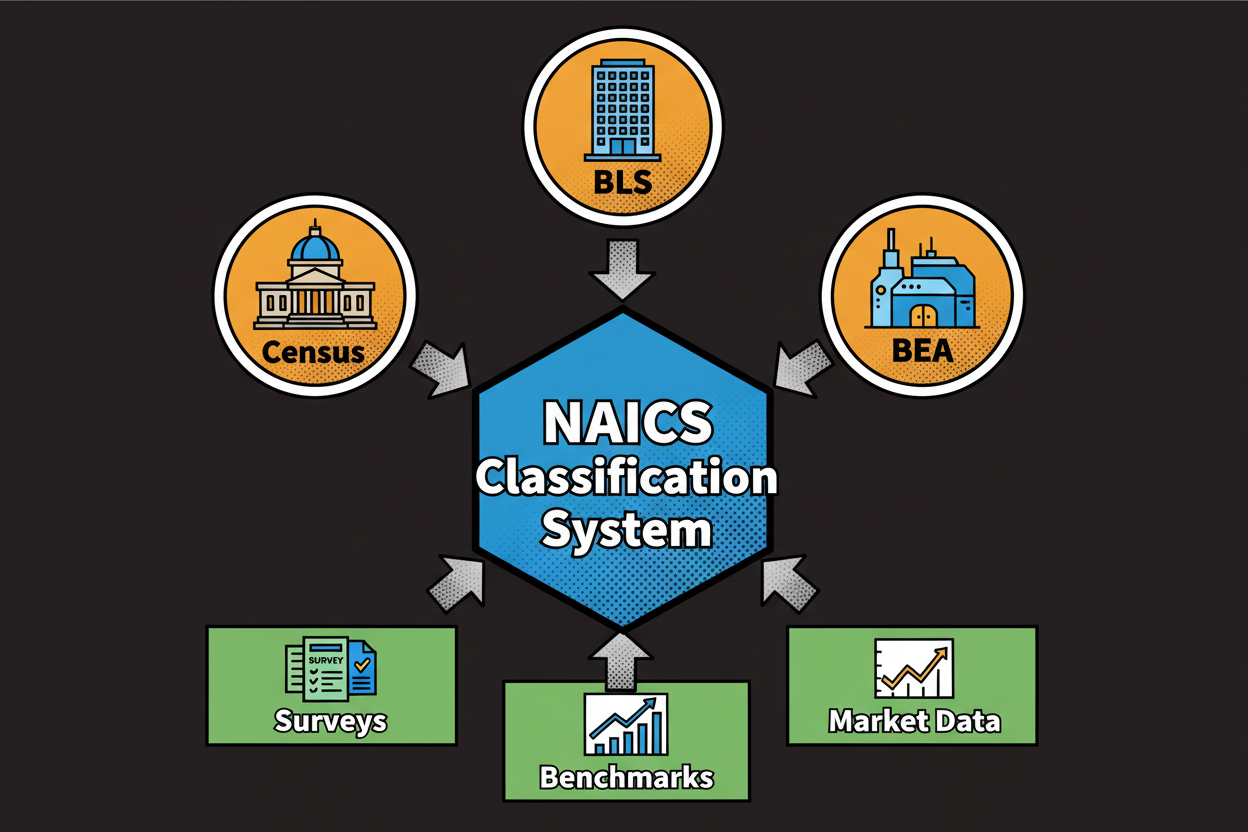
What is NAICS? The North American Industry Classification System is the standard used by Federal statistical agencies to classify business establishments for the purpose of collecting, analyzing, and publishing statistical data about the business economy. It is production-oriented and designed for comparability across the U.S., Canada, and Mexico.
Why should you care? Because the same code you enter here shows up in government registrations, regulatory reports, and contracting portals. Agencies depend on NAICS classfication to organize how they collect and publish data, which is why you see it echoed in surveys, forms, and program rules.
For businesses, an accurate code can speed up registrations and avoid confusion in grants. For analysts, NAICS is the backbone that lets you segment markets and benchmark peers. However, finding that perfect 6-digit code manually can be a daunting task. This is where a tool like Classifast.com becomes essential. Classifast is a high-performance web application built with FastAPI that provides instant classification of any text input into standards like NAICS, ISIC, and UNSPSC using advanced semantic search technology.
Understanding the Structure and Purpose of NAICS
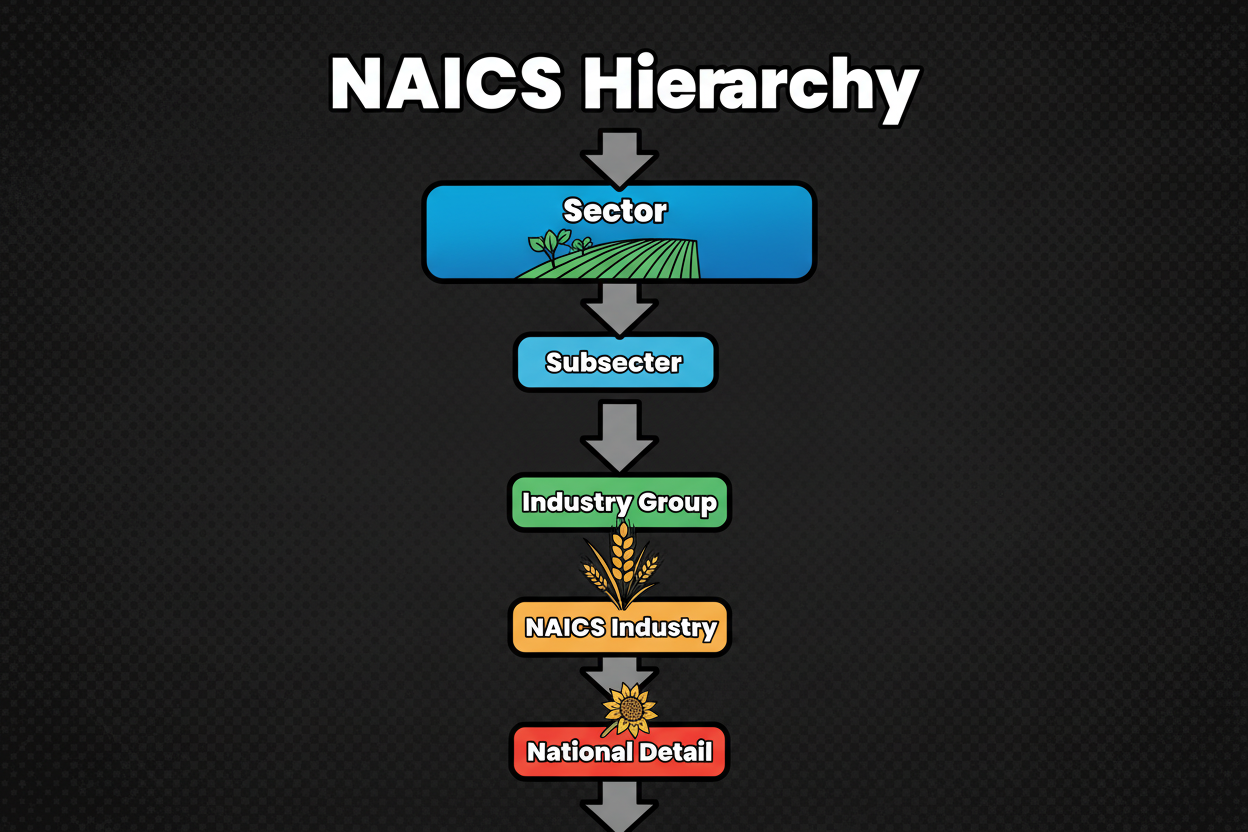
NAICS uses a 2- through 6-digit hierarchical system that moves from broad to specific. Each additional digit adds detail, narrowing the type of activity until you reach a specific national industry.
- Sectors (2-digits): Major slices of the economy (e.g., 31–33 for Manufacturing).
- Subsectors (3-digits): Specific activity groups within a sector.
- Industry Groups (4-digits): Tighter clusters of related industries.
- NAICS Industries (5-digits): The level of tri-national comparability (US, Canada, Mexico).
- National Industries (6-digits): The country-specific layer for fine-grained detail.
NAICS is production-oriented, meaning it groups establishments by the similarity of the processes they use to produce goods or services.
How Businesses and Analysts Use NAICS in Practice
NAICS shows up anywhere government or statistical work needs consistent industry information. Getting the code right keeps your filings aligned and anchors your data to how agencies view production processes.
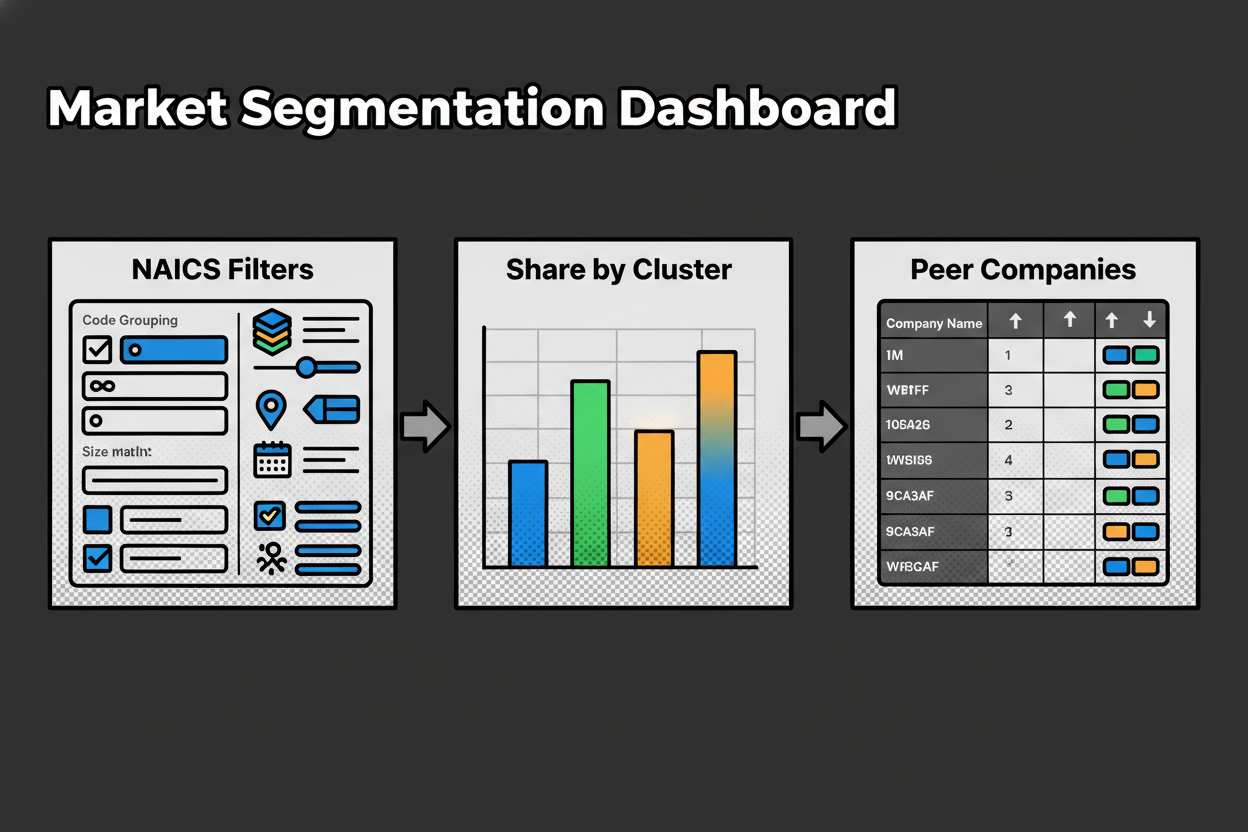
For analysts, NAICS is a powerful filtering tool. Say you’re sizing a niche segment within business services. Instead of guessing, you can use Classifast.com to instantly map a list of company descriptions to their most likely NAICS codes. By clustering these 5- and 6-digit codes, you can build a clean peer set that aligns with official economic data.
Comparing NAICS to International Classification Systems
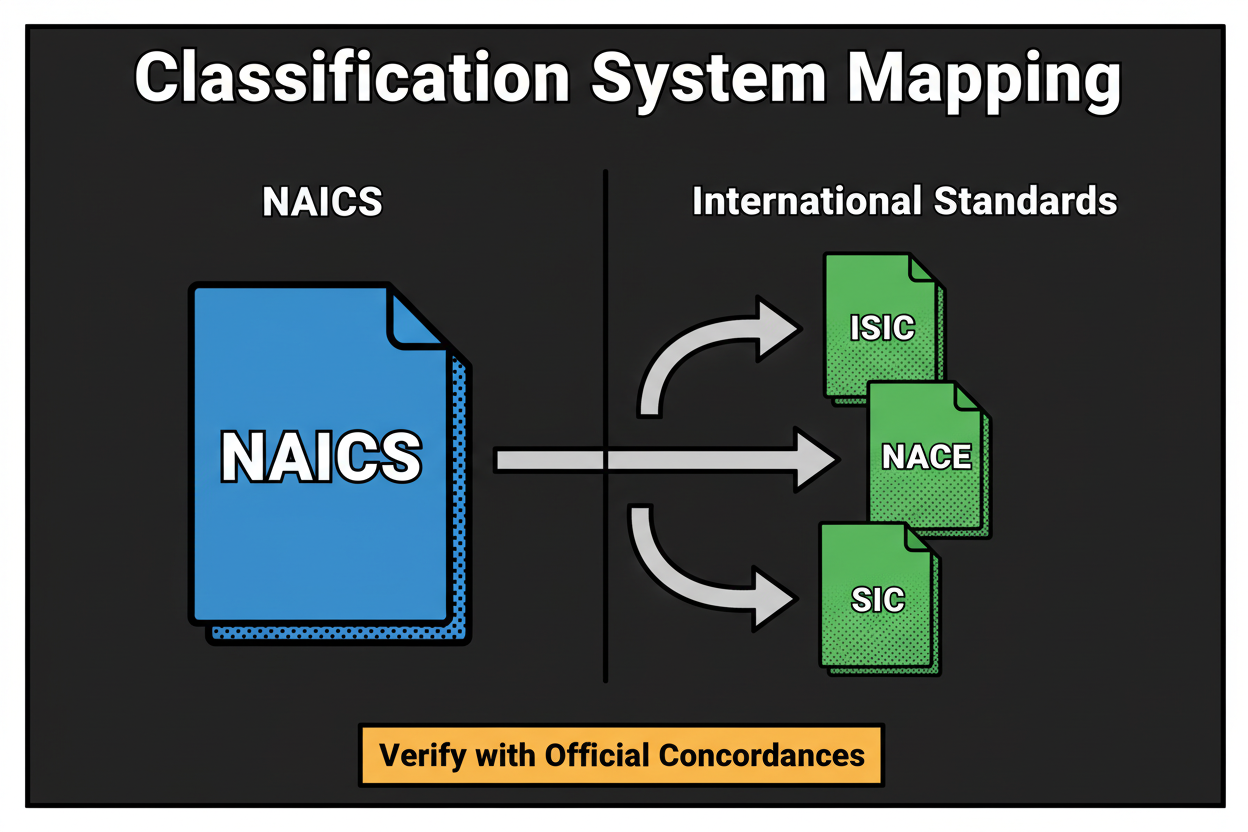
If you operate across borders, you’ll encounter systems like ISIC (International) and NACE (Europe). While NAICS is the North American frame, mapping between these systems is a common requirement for global companies.
| System | Scope | Organizing Principle |
|---|---|---|
| NAICS | North America | Production-oriented |
| ISIC | Global (UN) | Global statistical standard |
| NACE | Europe (EU) | European statistical standard |
Because these systems have different hierarchies, it is best to use a “semantic bridge.” Classifast supports all of these standards simultaneously, allowing you to input a single description and receive matching codes for NAICS, ISIC, and even NACE-related taxonomies instantly.
Step-by-Step Guide: Leveraging NAICS with Classifast
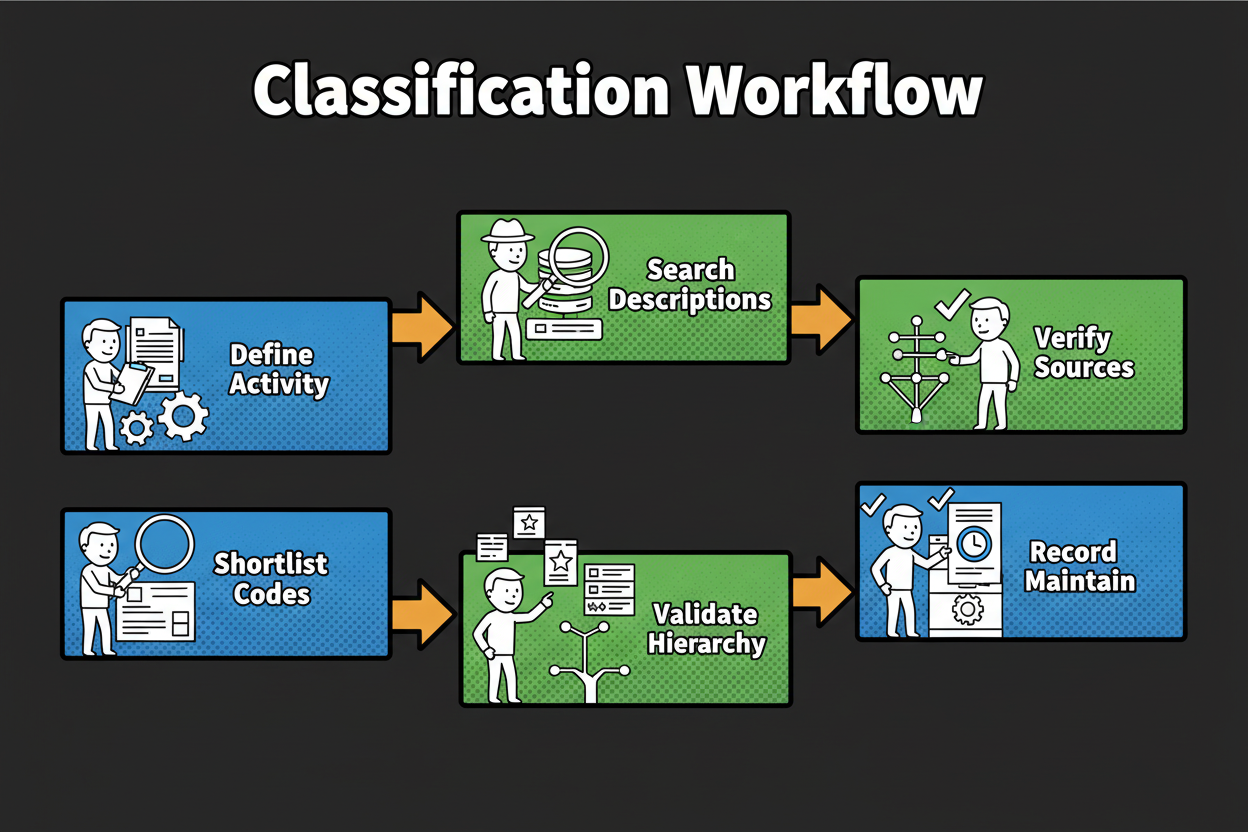
The manual way to find a code involves walking the hierarchy level-by-level through massive PDF manuals. The modern way is to use the Classifast Goods and Services Classifier.
- Define Primary Activity: Describe what your business does (e.g., “Custom software development for healthcare”).
- Instant Search: Paste that description into Classifast.com.
- Analyze Results: Classifast uses semantic search to find the 6-digit NAICS code that matches your production process, not just your keywords.
- Verify Hierarchy: Review the 2-digit to 5-digit path provided by the tool to ensure the logic holds up.
- Record & Maintain: Save the code and the rationale for use in all future government filings.
Frequently Asked Questions About NAICS
Q: How often does NAICS change?
A: NAICS is updated periodically (usually every 5 years). When updates happen, Classifast’s underlying models are updated to ensure you are always using the most current structure.
Q: What if my business is a hybrid of multiple codes?
A: Focus on your primary revenue-generating activity. If you build equipment (Manufacturing) but also provide a subscription (Service), Classifast will help you determine which production process is dominant based on your description.
Q: Is Classifast free to try?
A: Yes. You can visit Classifast.com right now to classify individual items instantly without even creating an account.
Conclusion and Key Takeaways
The North American Industry Classification System provides a shared language for the economy. Whether you are filling out a grant, applying for a government contract, or performing market research, your NAICS code is your identity in the eyes of statistical agencies.
By using Classifast.com, you can move from hours of manual manual-checking to seconds of automated search. With its Fast API-driven architecture and semantic intelligence, it is the fastest way to ensure your industry data is accurate and compliant.
Key Takeaways
- Classify by primary activity, focusing on production rather than marketing.
- Use Classifast.com for instant, semantic-search-powered results.
- Walk the hierarchy from 2 digits to 6 digits to ensure logical consistency.
- Keep it consistent across all registrations, grants, and reports.